Many people have heard of autoimmune diseases, but fewer are familiar with autoinflammatory diseases, a group of conditions that can significantly impact a person’s health, daily life, and well-being. Increasing awareness of these conditions can help individuals recognize symptoms earlier, connect with appropriate medical care, and build stronger support systems for those living with chronic illness.
What Is an Autoinflammatory Disease?
Autoinflammatory diseases occur when the body’s immune system triggers inflammation without a clear threat, such as an infection or injury. The resulting inflammation can affect different parts of the body and often occurs in recurring episodes, known as flare-ups. These conditions can range from relatively common disorders to rare diseases that may take years to diagnose. The ongoing inflammation can lead to pain, fatigue, tissue damage, and other health complications if left untreated.
Recognizing the Signs and Symptoms
Because inflammation can affect many areas of the body, symptoms vary widely from person to person. Some of the most common symptoms include:
- Fever and recurring inflammation
- Redness, swelling, and pain
- Joint pain and stiffness
- Muscle aches and weakness
- Fatigue and low energy
- Skin rashes or sores
- Digestive discomfort
- Other symptoms that may appear during flare-ups
The wide range of symptoms can make diagnosis challenging, which is why ongoing communication with healthcare providers is so important.
Understanding Risk Factors
Researchers continue to learn more about what causes inflammatory disorders. Genetics and family history can play a role, while environmental factors, infections, chronic stress, and other health conditions may contribute to inflammation or trigger flare-ups. Every individual’s experience is unique, and understanding personal triggers can be an important part of disease management.
The Path to Diagnosis
Receiving a diagnosis is often not a straightforward process. Healthcare providers may use a combination of blood tests, imaging studies, biopsies, and other diagnostic tools to better understand symptoms and rule out other conditions. For many individuals, finding answers requires persistence, self-advocacy, and collaboration with healthcare specialists.
Managing Life with an Autoinflammatory Disease
Although there is no single cure for most autoinflammatory diseases, many treatment options can help reduce inflammation, manage symptoms, and improve quality of life. Treatment plans may include medications, lifestyle modifications, nutritional support, and other therapies tailored to an individual’s needs.
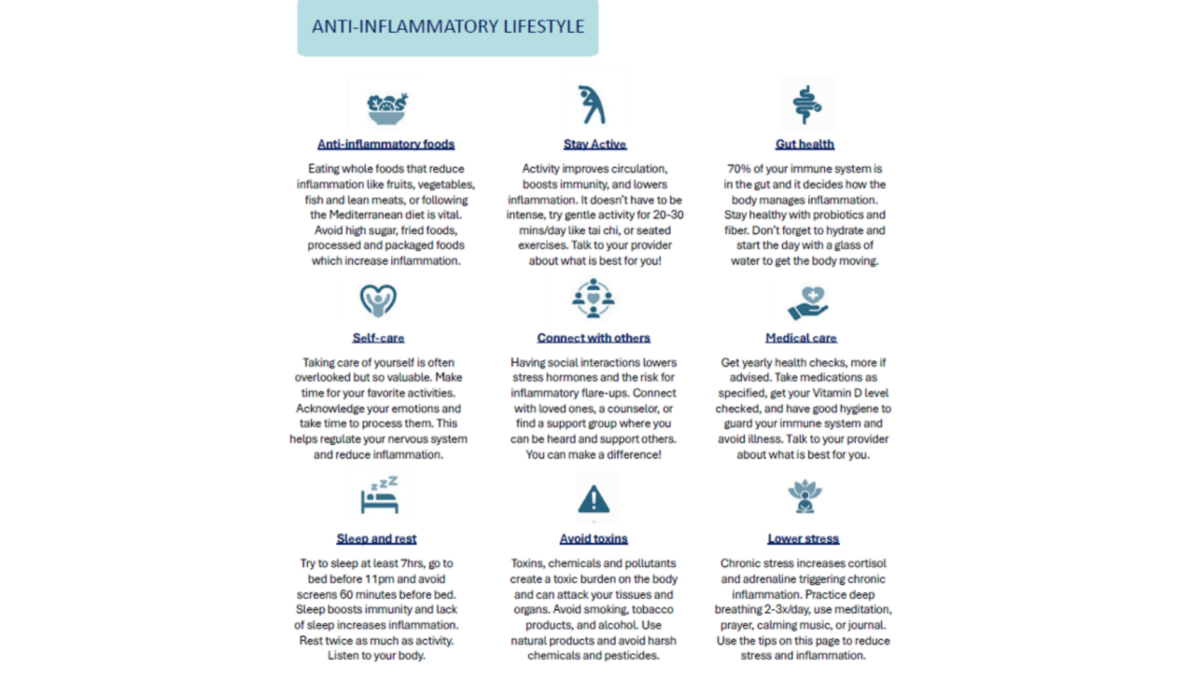
Lifestyle management can also play an important role. Strategies such as stress reduction, balanced nutrition, adequate sleep, regular physical activity, and avoiding known triggers may help reduce flare-ups and support overall health.
The Emotional Impact of Chronic Illness
Living with an autoinflammatory disease involves more than managing physical symptoms. Chronic illness can affect mental health, relationships, employment, and daily routines. Individuals may experience uncertainty, frustration, grief, or anxiety as they learn to navigate the challenges of living with a long-term condition.
Creating space for open conversations about these experiences can help reduce stigma and encourage people to seek the support they need.
How Families, Friends, and Communities Can Help
Support from others can make a meaningful difference. Whether you’re a family member, friend, caregiver, or professional support person, there are many ways to help:
- Learn about the condition and stay informed.
- Listen with empathy and offer emotional support.
- Encourage self-advocacy and involvement in healthcare decisions.
- Support adherence to treatment plans.
- Recognize signs of flare-ups and changing needs.
- Promote independence while remaining available for assistance.
Small acts of understanding and encouragement can help individuals feel empowered and less alone in their journey.
Building Awareness and Understanding
At Service Coordination, Inc. (SCI), we believe that increased awareness leads to stronger, more inclusive communities. Understanding autoinflammatory diseases can help reduce misconceptions, encourage earlier diagnosis, and foster environments where individuals feel supported in managing their health and pursuing their goals.
By learning about these conditions, listening to the experiences of those affected, and advocating for access to resources and support, we can help ensure that individuals living with autoinflammatory diseases have the opportunity to thrive and live the lives they choose.