
Dementia is a complex condition that impacts millions of individuals and families across the United States. As awareness continues to grow, so does the importance of understanding what dementia is and how meaningful, person-centered support can make a difference.
At Service Coordination, Inc. (SCI), we are committed to helping individuals and families navigate complex medical needs, like dementia, with dignity, compassion, and connection.
What Is Dementia?
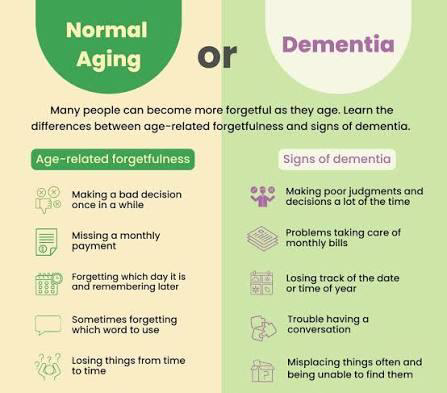
Dementia is a general term used to describe changes in memory, thinking, decision-making, and behavior that interfere with daily life. It is not a normal part of aging, though age can be a risk factor.
Dementia is progressive, meaning symptoms worsen over time. Today, it affects approximately 7 million people in the United States, and that number is expected to grow significantly in the coming decades.
Certain populations, including women and Black and Hispanic Americans, are at greater risk, highlighting the need for equitable access to early diagnosis and supportive services.
Recognizing the Signs and Seeking Screening
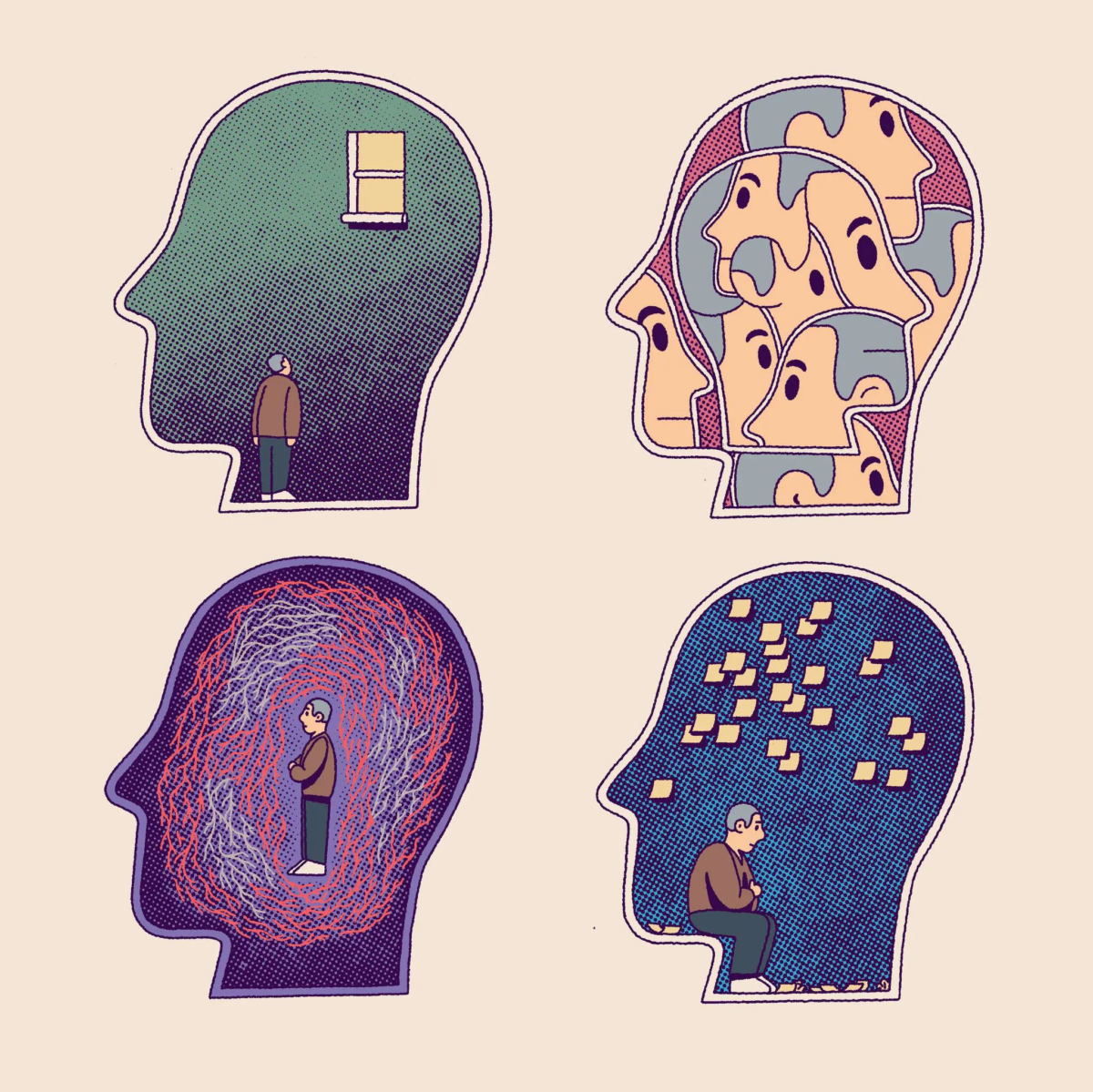
Early recognition plays a critical role in supporting individuals living with dementia. Screening may include:
- Medical exams and assessments
- Neurological evaluations
- Brain imaging and lab testing
- Psychiatric evaluations
Early screening allows individuals and families to better understand changes, access resources sooner, and begin planning for the future while the individual can still actively participate in decision-making.
Types and Causes of Dementia
There are four major types of dementia and more than 100 subtypes, each with different causes and characteristics.
Dementia may be influenced by:
- Genetics
- Other health conditions
- Lifestyle factors, which may account for up to 45% of cases
Understanding these factors reinforces the importance of both prevention and ongoing care.
The Stages of Dementia
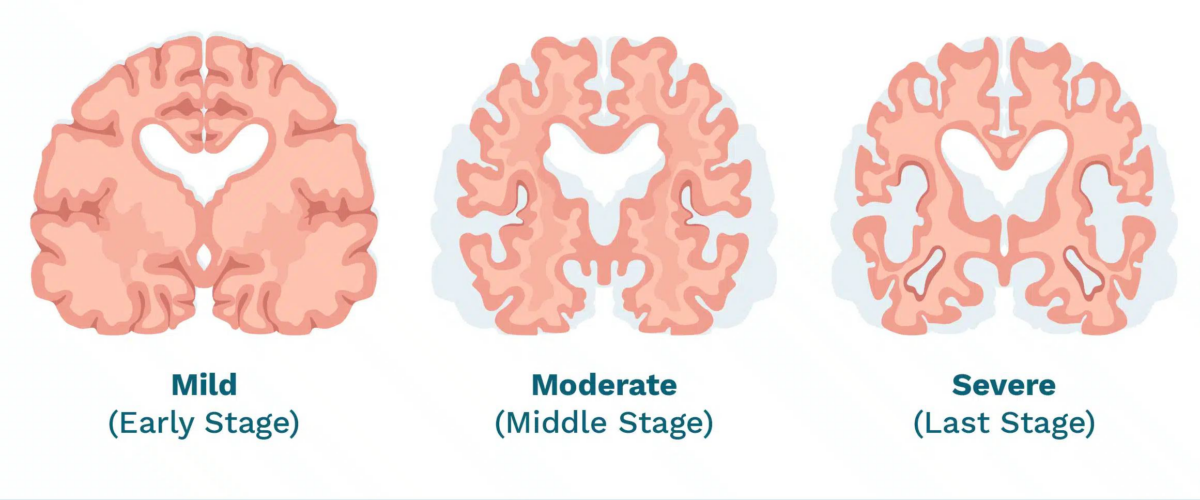
Dementia progresses over time, and the level of support needed changes along the way:
Early Stage
- Individuals may remain largely independent
- Early signs of memory loss begin
- Key time for planning ahead
Middle Stage
- Typically the longest stage
- Increased need for support
- Possible changes in personality and behavior
Late Stage
- Significant changes in communication and responsiveness
- Dependence on others for care
- Increased risk of additional health concerns
A Person-Centered Approach to Care
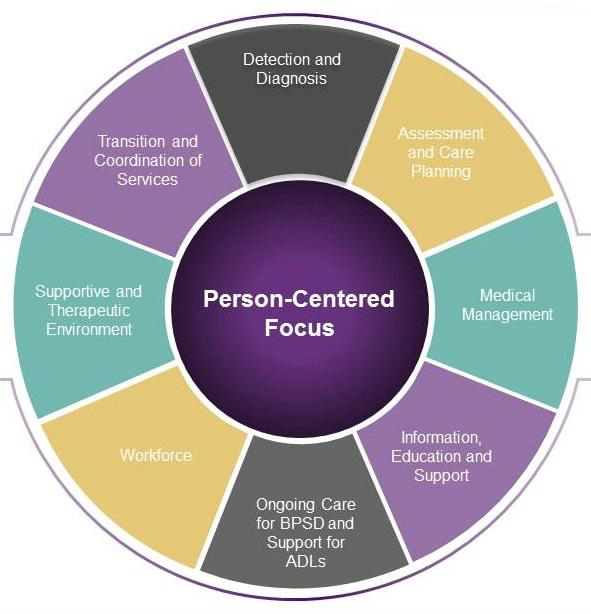
At SCI, we believe that dementia care should always center on the individual – their preferences, their routines, and their goals.
Effective management focuses on:
- Managing symptoms and slowing progression
- Improving overall quality of life
- Incorporating a multi-strategy, team-based approach
- Engaging caregivers, families, and providers in care planning
This collaborative model ensures that support evolves alongside the individual’s needs.
Strategies to Support Daily Living and Well-Being
Non-medication and supportive strategies play a critical role in dementia care. These may include:
Cognitive Stimulation
- Reminiscence therapy
- Puzzles, games, art, and music
- Structured daily activities and routines
Daily Living Supports
- Assistance with dressing, bathing, and meals
- Use of planners, lists, and visual guides
- Ongoing therapeutic supports
Behavioral and Emotional Support
- Structured routines and clear communication
- Validation and person-centered engagement
- Identifying underlying causes of behavioral changes
- Behavioral therapy when appropriate
Prioritizing Safety
Safety becomes increasingly important as dementia progresses. Key considerations include:
- Preventing injuries
- Addressing risks such as wandering or driving
- Increasing community awareness and communication
- Protecting against scams and exploitation
Creating a safe and supportive environment helps individuals maintain independence while reducing risk.
Prevention and Brain Health
While not all cases can be prevented, lifestyle choices can have a meaningful impact. In fact, up to 45% of dementia cases may be delayed or prevented through healthy habits.
Helpful strategies include:
- Regular physical activity
- Healthy eating patterns (such as Mediterranean or MIND diets)
- Social engagement
- Quality sleep
- Avoiding smoking and limiting alcohol use
Supporting Caregivers and Families
Dementia affects more than the individual; it impacts families, caregivers, and communities. Access to the right resources can make a meaningful difference.
Key supports include:
- Education and caregiver training
- Community-based programs and support groups
- Memory cafés and early-stage support opportunities
- Respite and long-term care planning
SCI recognizes the critical role caregivers play and is committed to connecting families with the resources they need.
Moving Forward Together
Dementia presents challenges, but with understanding, planning, and the right support, individuals can continue to live meaningful and connected lives.
At SCI, we are proud to support individuals and families at every stage, helping them navigate change, access resources, and stay centered on what matters most.
Call to Action
If you or a loved one are experiencing changes in memory or thinking, connecting with the right supports early can make a lasting difference. SCI is here to help guide you every step of the way.